
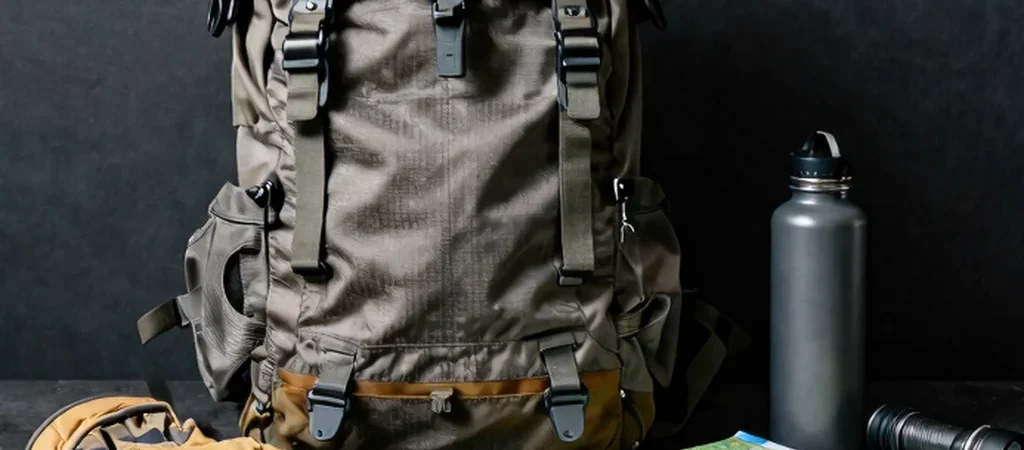
Lay out a gear setup on a table and it can look complete long before it is useful. Before adding another pouch or tool, picture the actual outing: weather, distance, access to help, and how you will leave if conditions change. That simple check turns a pile of equipment into a considered kit.
Fit the Kit to the Setting
A short day hike, a vehicle emergency bag, and a supervised range visit call for different equipment and different rules. Start with the requirements of the activity and the environment, including local restrictions, rather than copying a setup from a photograph. If an item has no clear job in your plan, it may be weight without value.
Practice Before You Need It
Check that straps sit comfortably over the layers you actually wear and that essential items remain reachable without unpacking everything. For safety equipment, read the maker’s instructions and learn the intended use before relying on it. A small, familiar setup is often easier to manage than an elaborate one you have never used outside the living room.
Compare Notes, Not Images
When sharing a setup in the forum, explain the activity, conditions, and limitations it was built around. Ask how other members handle comfort, weather, and storage, and be open about what you have not tested. Specific context makes gear discussion more useful than a photo of equipment with no account of how it works.